
How Long Does a Mural Take? A Simple Guide for Clients
One of the first questions people ask me when they are thinking about a mural is: How long does it take? And honestly, I love this question because it means the project is starting to feel real. Someone is imagining the wall, the colours, the photos, the people walking by, and that moment when the space finally feels more alive.
But a mural is not just a painting; in fact, I like to say that mural art is 90% prep, 10% painting.
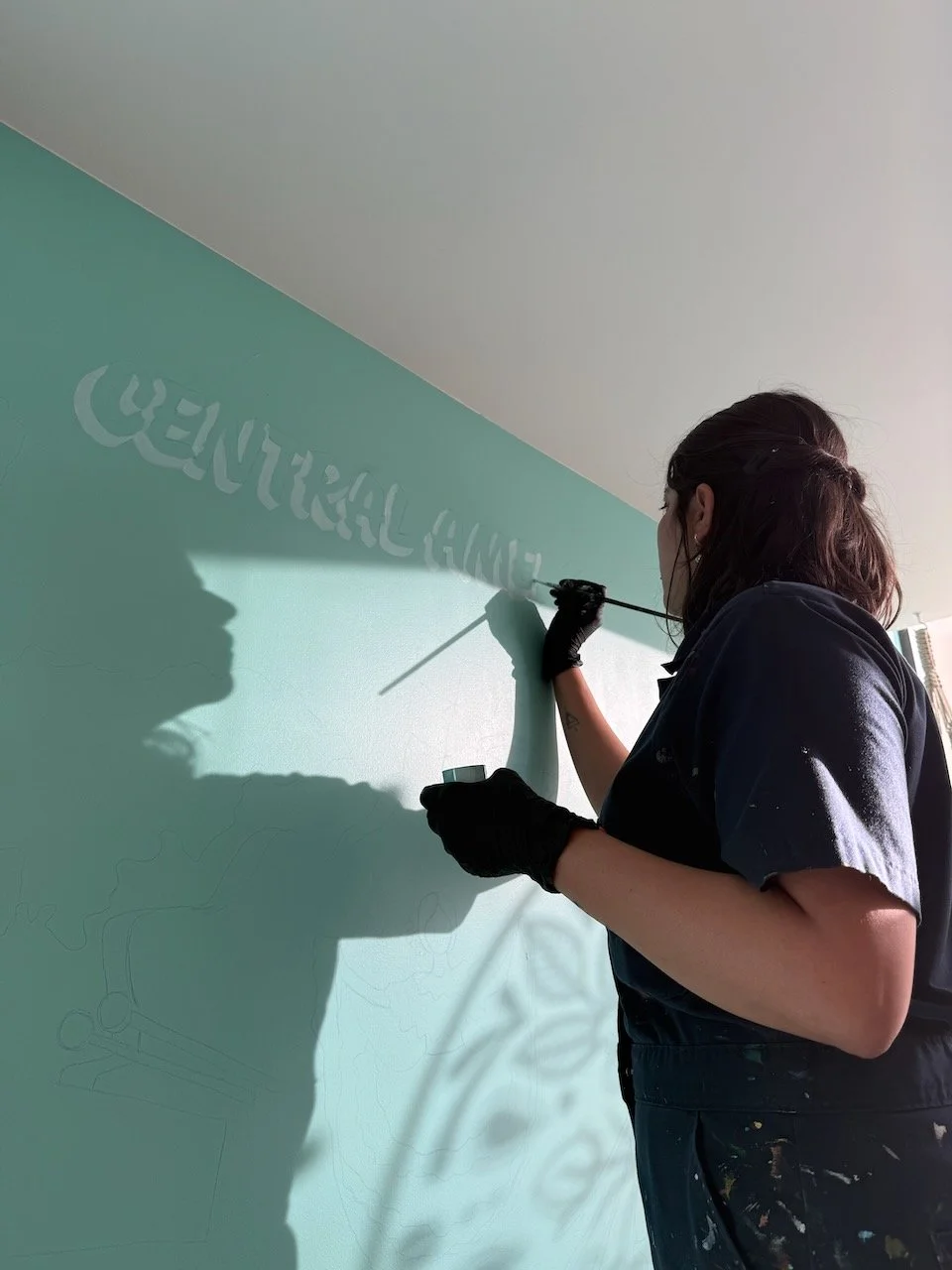
The painting is the part people see. It is the fun part, the colourful part, the part where the wall starts changing in real time. But before that happens, there is a whole process that makes the mural possible.
A custom mural usually includes planning, creative direction, design, revisions, materials, scheduling, surface preparation, installation, and sometimes lift rentals, weather checks, permits, or community coordination.
So the real answer is: it depends on the size, complexity, location, and approval process.
But let's make it simple, all of the following are estimates based on my experience:
A small mural can take a few weeks from start to finish.
For a smaller indoor mural, storefront feature wall, office mural, daycare mural, or photo moment, the full process can often take around 3 to 6 weeks from the first conversation to the finished wall.
That does not mean I am painting for 3 to 6 weeks. The painting itself may take only a few days, depending on its size and level of detail.
The rest of the time goes into the parts that make the mural feel intentional instead of rushed: learning about the space, preparing an estimate, developing the design direction, creating the artwork, reviewing feedback, ordering materials, and scheduling the installation.
For a business mural, this planning stage is CRUCIAL. A mural in a café, restaurant, office, daycare, or retail space is not just decoration. It becomes part of the customer experience and might serve as a photo backdrop, a brand moment, a wayfinding feature, or a visual anchor for the space. Therefore, that kind of work deserves a little breathing room.
The design phase usually needs about two weeks.
For most custom mural projects, I like to allow around two weeks for the design phase.
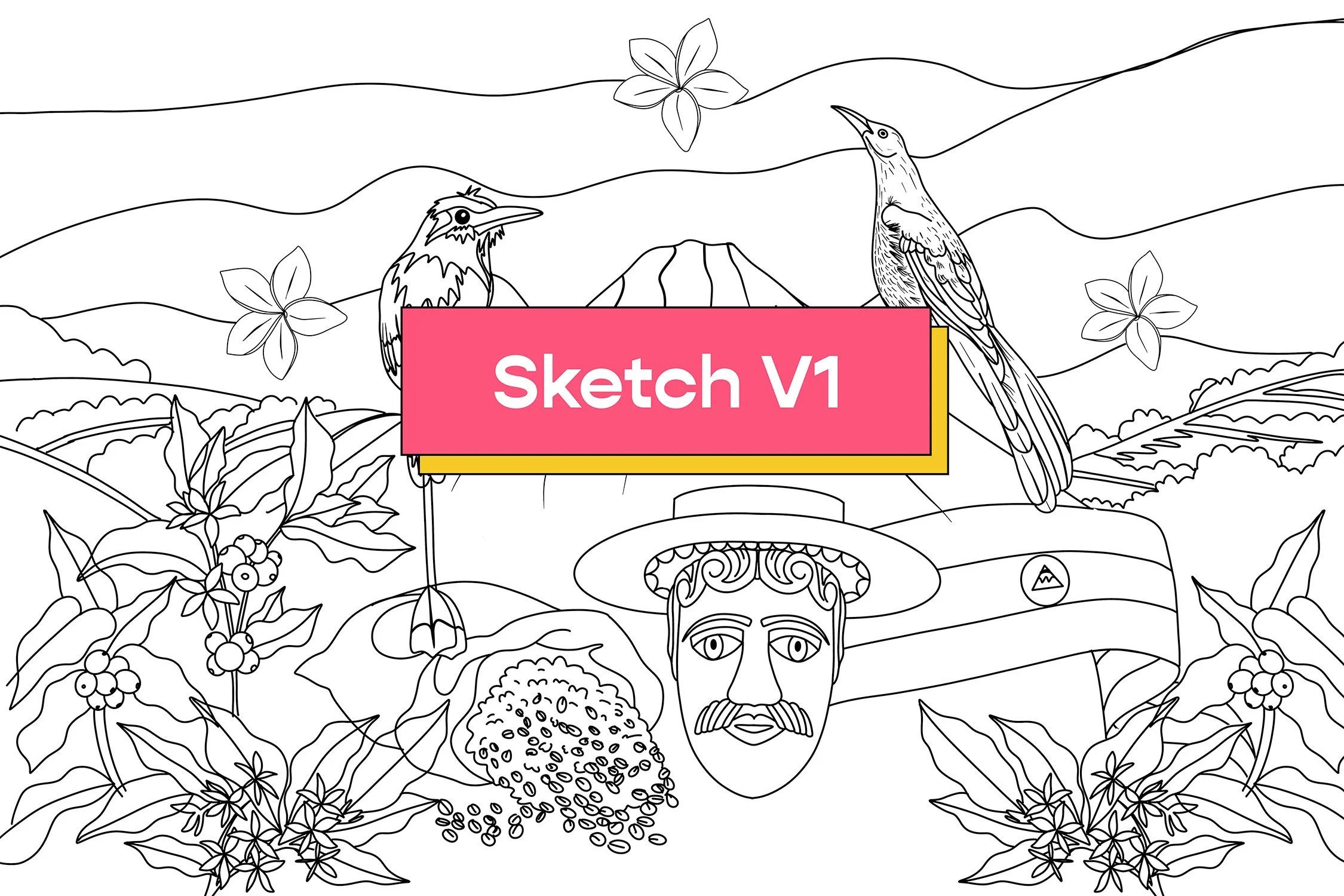
This gives me time to understand the project, gather references, think through the composition, and create a design that works for the wall.
My usual design process has two main stages. First, I create a black-and-white sketch, so we can focus on the layout, main elements, and overall direction. Once that is approved, I create the colour version so the mural starts to feel closer to the final artwork.
This process keeps things organized and helps avoid confusion. It also protects the project from endless changes, which can slow everything down and make the direction feel messy.
A mural design needs to work from far away, up close, in photos, and in the actual space. Something that looks beautiful on a tiny screen may not always work on a large wall. The design phase is not just about making something pretty, but rather about making something that can actually live well in the space. This is where all my years as a Graphic Designer pay off.
Painting time depends on size and detail.
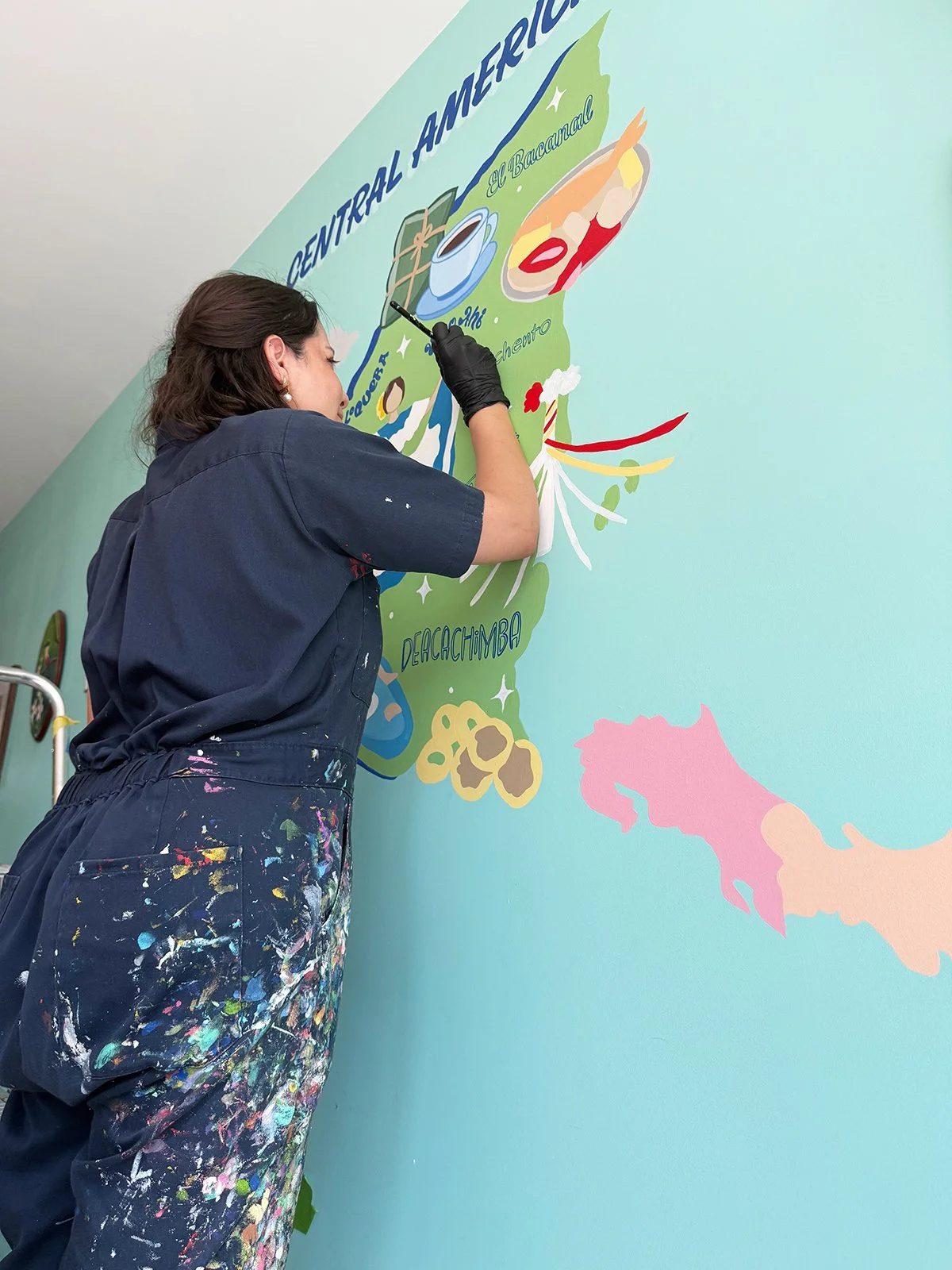
Once the design is approved and the schedule is confirmed, the painting timeline depends on the wall.
A simple, small mural may take 1 to 4 painting days. A medium mural may take 3 to 8 painting days. A larger mural or outdoor public artwork may take 3 weeks or more, especially if there are detailed illustrations, lettering, community engagement, lift equipment, weather delays, or surface issues.
Murals with large colour areas are usually faster than murals with lots of tiny details. Lettering can also take time because it needs to be clean, balanced, and readable. If there is a contrast mistake in even a letter, you will see it. Our eyes will catch that something is wrong, but we might not be able to pinpoint exactly where. Attention to these details matters.
For outdoor murals, the timeline can shift due to weather. Rain, wind, extreme heat, cold temperatures, and wall moisture can all affect when painting can happen. I always recommend building in a little flexibility. A good mural timeline should leave room for real life.
Outdoor murals usually need more planning.
Outdoor murals are beautiful, but they often involve more logistics. Depending on the project, we may need to think about wall access, ladders, scaffolding, lift rentals, weather, public safety, surface cleaning, priming, permits, business hours, pedestrian flow, and protective coatings.
Suppose the mural requires a boom lift; drop-off and hand-in need to be scheduled. If the wall is in a busy public area, we need to think about how people will move around the site. If the mural is part of a public art project, there may be additional approval steps with a BIA, a city department, a community group, or a property owner.
This does not mean the project has to feel complicated. It just means the timeline needs to be realistic.
A mural should be exciting, not chaotic.
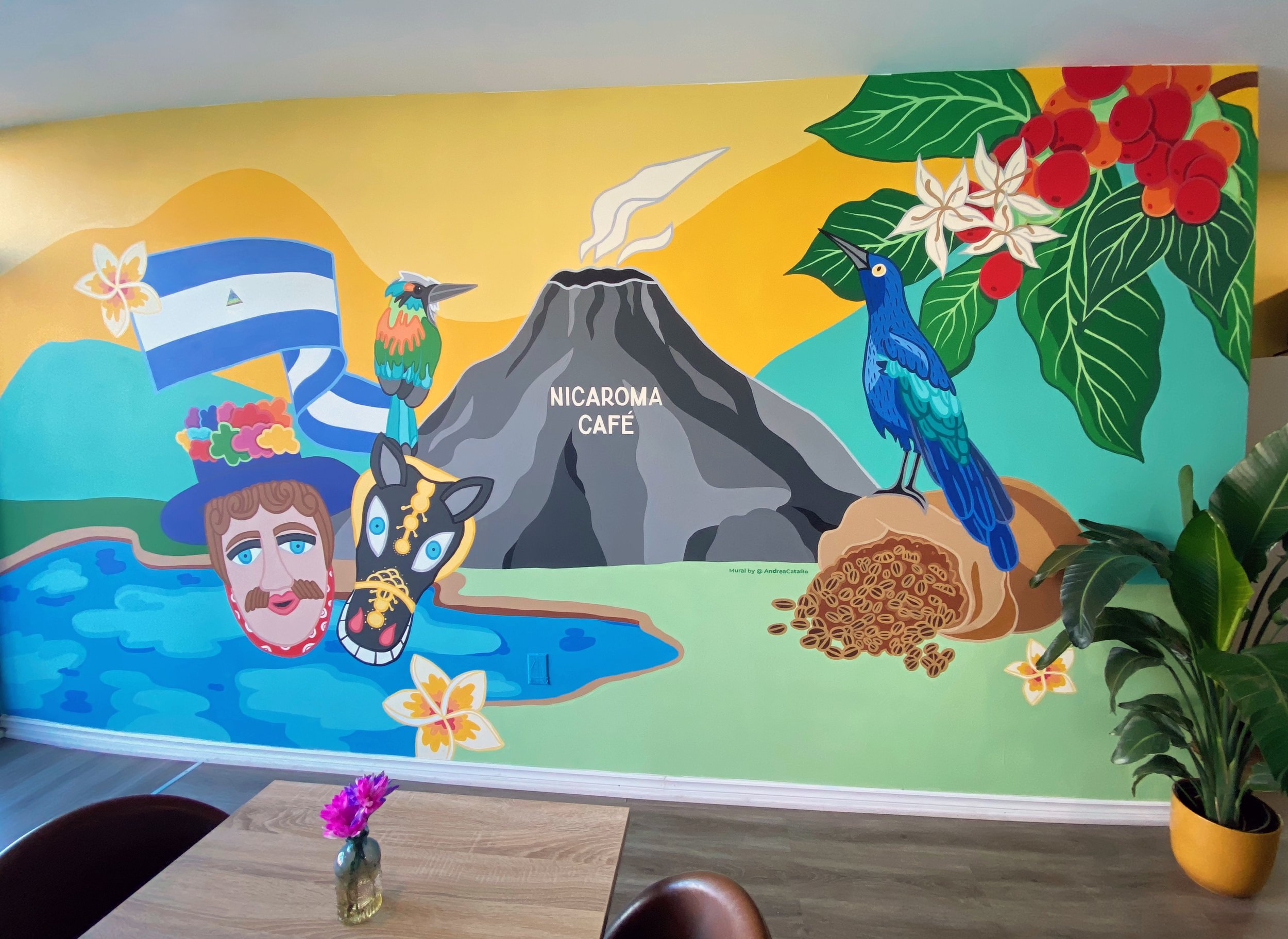
Client feedback can speed up or slow down the timeline.
One of the biggest timeline factors is: feedback.
When feedback is clear and consolidated, the project moves much faster. When feedback comes in pieces, changes direction, or involves too many decision makers, the timeline can stretch quickly.
For example, if one person wants tropical plants, another wants abstract shapes, another wants a mascot, and another wants the mural to feel mostly neutral, the design process will take more time to find a direction that actually works.
That is why it helps to decide early who is giving final approval. It also helps to come into the project with a few clear goals. You do not need to know exactly what the mural will look like. That is my job; it is helpful to know what you want the mural to do.
Do you want it to attract people from the street? Do you want it to make your interior feel warmer? Do you want it to reflect your brand? Do you want to celebrate a community story? Do you want people to take photos with it?
Those answers help shape the timeline and the design direction.
Rush murals are possible, but not always ideal.
Sometimes a mural needs to happen quickly. Maybe there is a launch, event, opening, festival, campaign, or deadline coming up. Rush projects can sometimes be possible, depending on my availability and the scope of the mural.
Yet, rush timelines usually require faster decisions, a simpler design, fewer revisions, and quick access to the wall. If a client needs something done very quickly, I usually recommend simplifying the concept.
A bold, clean mural can still have a lot of impact without becoming overly complicated.
Rushed does not have to mean careless. It means we need to be realistic.
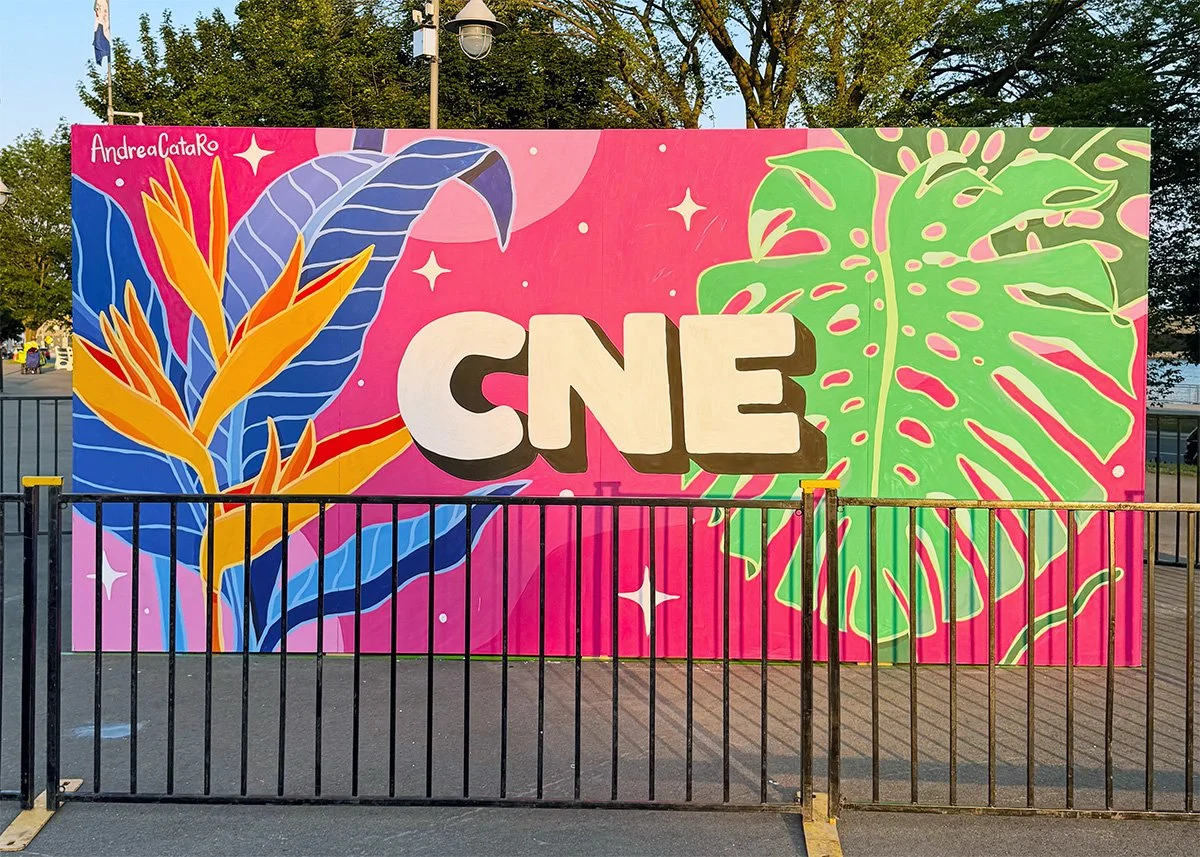
So, how early should you reach out?
If you are thinking about a mural for your business, public space, office, café, restaurant, school, or community project, I recommend reaching out at least 6 to 8 weeks before your ideal completion date.
For larger outdoor murals or public art projects, more time is better. Three months or more can be very helpful, especially if approvals, funding, permits, or community engagement are involved.
If your timeline is shorter, still reach out. Sometimes there is a way to make it work.
The earlier we start the conversation, the more options we have. A mural is not just about filling a wall; it's about creating something that feels connected to the space, the people, and the story behind it.
That kind of magic is always better when it has enough time to grow.
Thinking about a mural?
If you are planning a mural in Toronto, I would love to hear about your wall, timeline, and project goals.
You do not need to have everything figured out before reaching out. A few details are enough to start the conversation.
—
Related reading
Planning a Mural for Your Space?