

How to Prepare for a Creative Workshop as a Participant
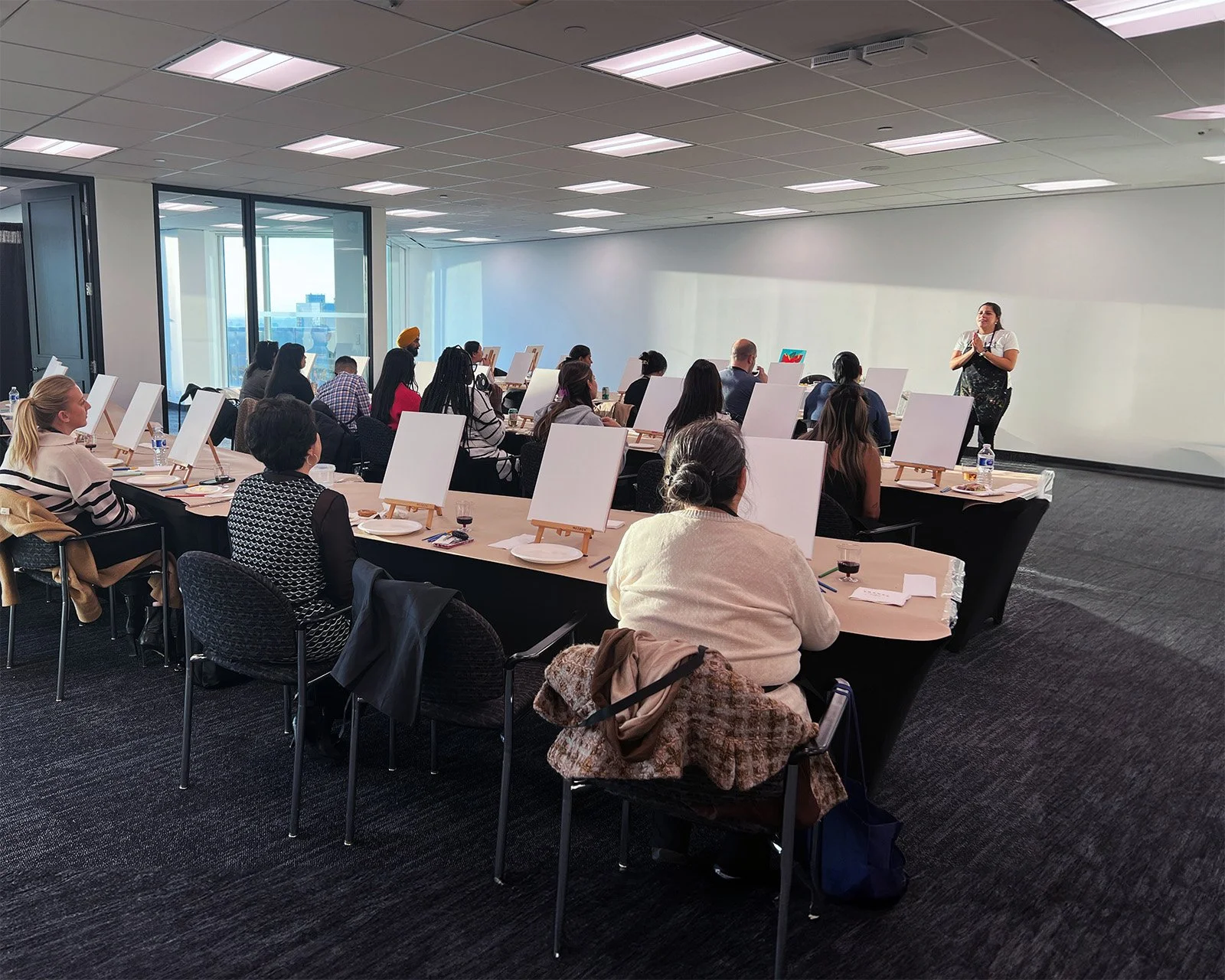
A creative workshop is not about being perfect. It is about showing up, trying something new, and letting yourself participate.
The best way to prepare for a creative workshop is also one of the hardest things for adults to do:
Come with an open mind.
I know that sounds simple, but it is not always easy. A lot of people arrive at workshops already judging themselves before they even begin. They say things like, "I'm not creative," "I'm terrible at this," or "Mine is going to look so bad." Sometimes they say it jokingly, but I can usually tell there is a real fear underneath.
I get it.
Adults are very good at editing themselves. We have spent years learning what looks "good," what looks "bad," what looks polished, what looks embarrassing, what is worth showing and what should be hidden. So when we sit down to make something with our hands, that inner critic can show up very quickly.
But a creative workshop is not a test. It is not about proving you are talented. It is about giving yourself permission to try.
You do not need to be "good at art"
One of the first workshops I ever taught was for a tech company. We were painting plants, and what I remember most is how hard people were on themselves.
Not mean to each other, really. More like mean to themselves. They would look at their work and say, "This is horrible," or "I'm so bad at this," before the painting was even halfway done.
Meanwhile, they were doing the thing. They were following the steps, trying something new, making decisions, using colour, and creating something with their hands. That already counts for a lot.
I always think about this when I teach adults. No one expects to play tennis like Serena Williams the first time they pick up a racket. No one walks into a dance class for the first time and expects to move like a professional dancer.
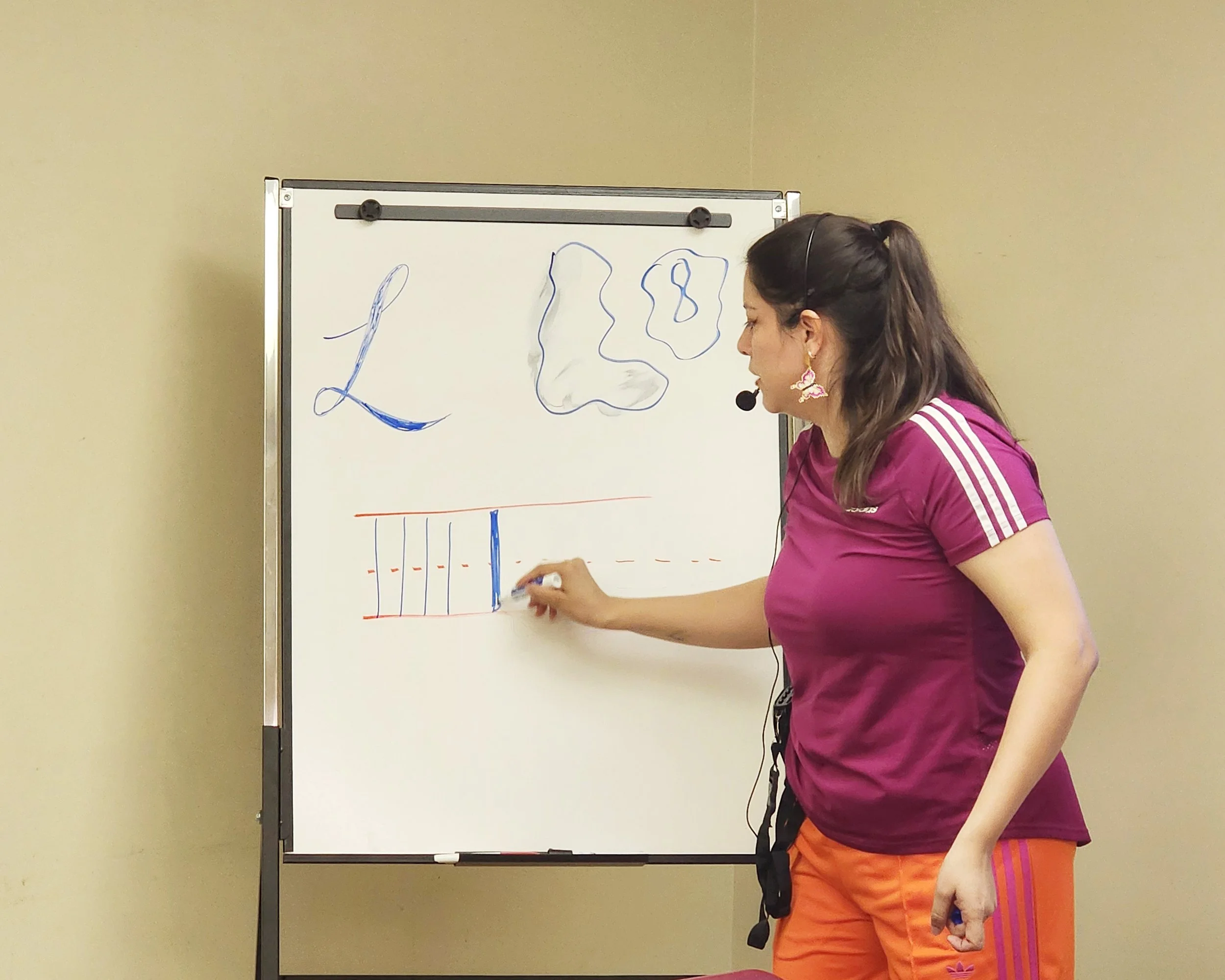
A good facilitator helps people feel supported, especially when they arrive feeling nervous or unsure.
But for some reason, people sit down with a brush, marker, or pencil and immediately expect the result to look like something made by someone who has been practising for years.
That is a lot of pressure to bring into a room that is supposed to be fun.
You do not need to be "good at art" to enjoy a creative workshop. You just need to be willing to start.
Do not judge the work too early
Creative work usually looks a little weird in the middle. This is true for everyone.
A painting can look awkward before the final layers go in. A lettering piece can look messy before the spacing is adjusted. A design idea can feel unclear until the pieces start to connect.
Even as someone who does this professionally, I have many moments where the work is not there yet. That is part of the process.
So if you are in a workshop and your piece looks strange halfway through, please do not panic. You are not failing; this is just in the middle.
The middle is allowed to be messy.
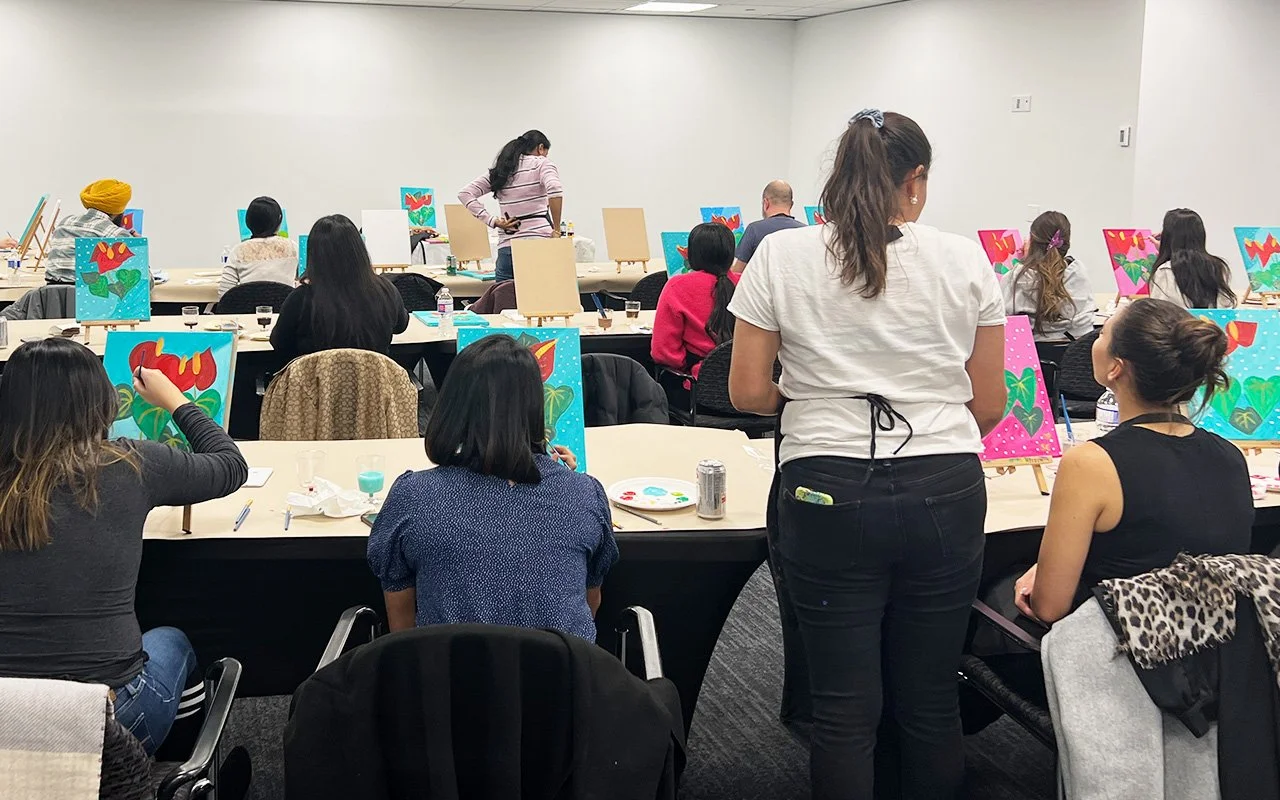
Creative work often looks a little strange in the middle. That does not mean it is going badly.
Ask questions
If you are confused, ask.
If you missed a step, ask.
If you want to try a different colour, change something, or understand why we are doing something a certain way, ask.
You are not bothering the facilitator. That is literally why we are there.
I would much rather someone ask a question than sit quietly feeling lost or frustrated. A good creative workshop should have enough structure to guide you, but enough room for you to make choices too.
The point is not to copy perfectly, but to understand the process enough to make something that feels like yours.
Let your work look like you
One of my favourite parts of teaching is seeing how different everyone's work becomes, even when we all start with the same reference and the same instructions.
We all add something different from our own experiences. Some like it light, others hyper-saturated, and in the end, we all make shapes differently.
That is the fun part.
A workshop is not a factory. Not everyone needs to leave with the same thing. Your colours, your choices, your little mistakes, your small wins, all of that becomes part of the piece. That is what makes it yours.
Wear something comfortable
This is practical, but important. Creative workshops can involve paint, markers, glue, ink, paper, cups of water, aprons, brushes, and all kinds of materials. Even when we are careful, things can get a little messy.
Wear something comfortable, and if the workshop involves paint, maybe do not wear your most precious outfit.
You should be able to sit, move, reach for materials, and enjoy yourself without worrying the whole time.
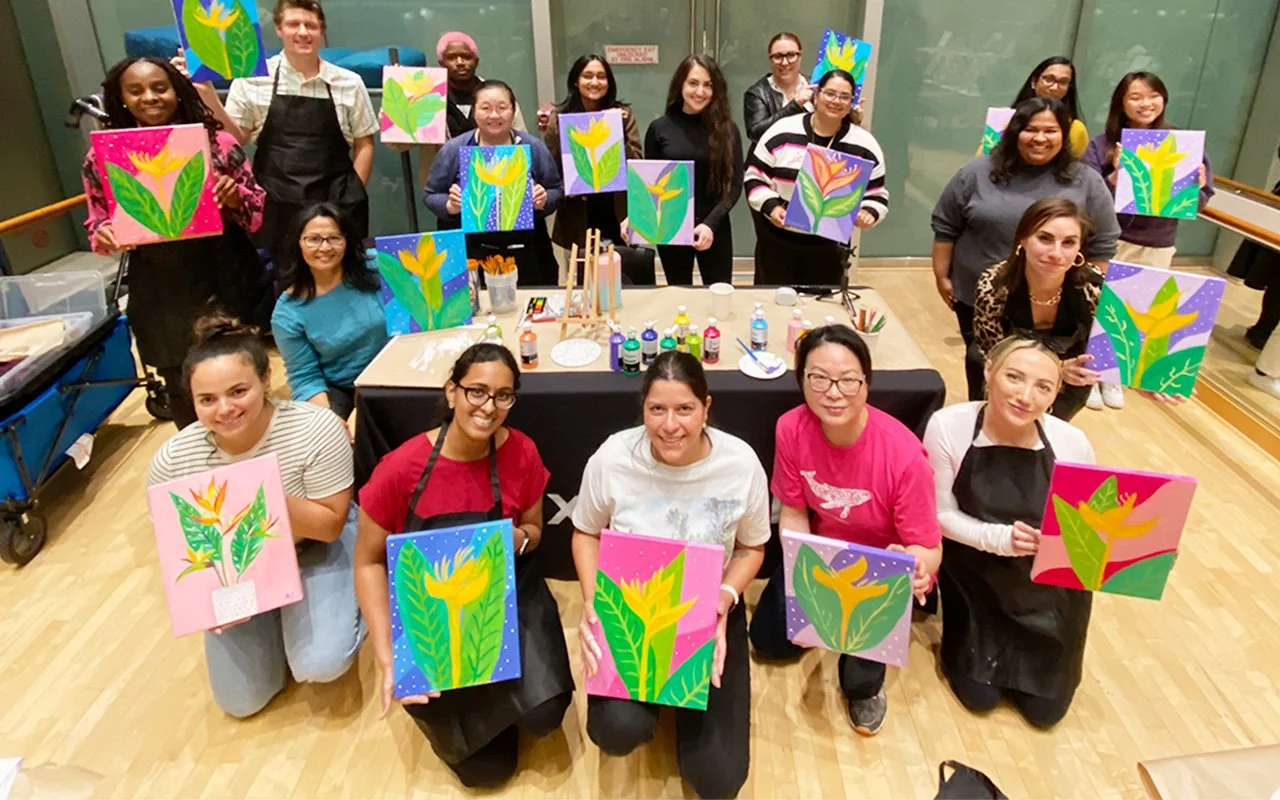
Everyone’s work looks a little different, and that is usually the best part.
Come ready to participate, not perform
A workshop is not about making the most impressive thing in the room.
It is about being present, trying something new, and permitting yourself to participate without needing the result to be perfect.
You might surprise yourself. You might also make something that feels a little awkward, and that is okay, too. Not every creative experience needs to become a masterpiece. Sometimes the value is in the making, the conversation, the laughter, the quiet focus, or the fact that you tried something you had not done in years.
Thinking about joining a creative workshop?
If you are coming to one of my workshops, please know this: you do not need to arrive with experience. You do not need to know exactly what you are doing. You do not need to be "an artist."
Just come, and be curious. Bring your willingness to try, your questions, and maybe a little patience with yourself.
The rest we can figure out together.