
Why Colour Is Political in My Work as a Toronto Mural Artist
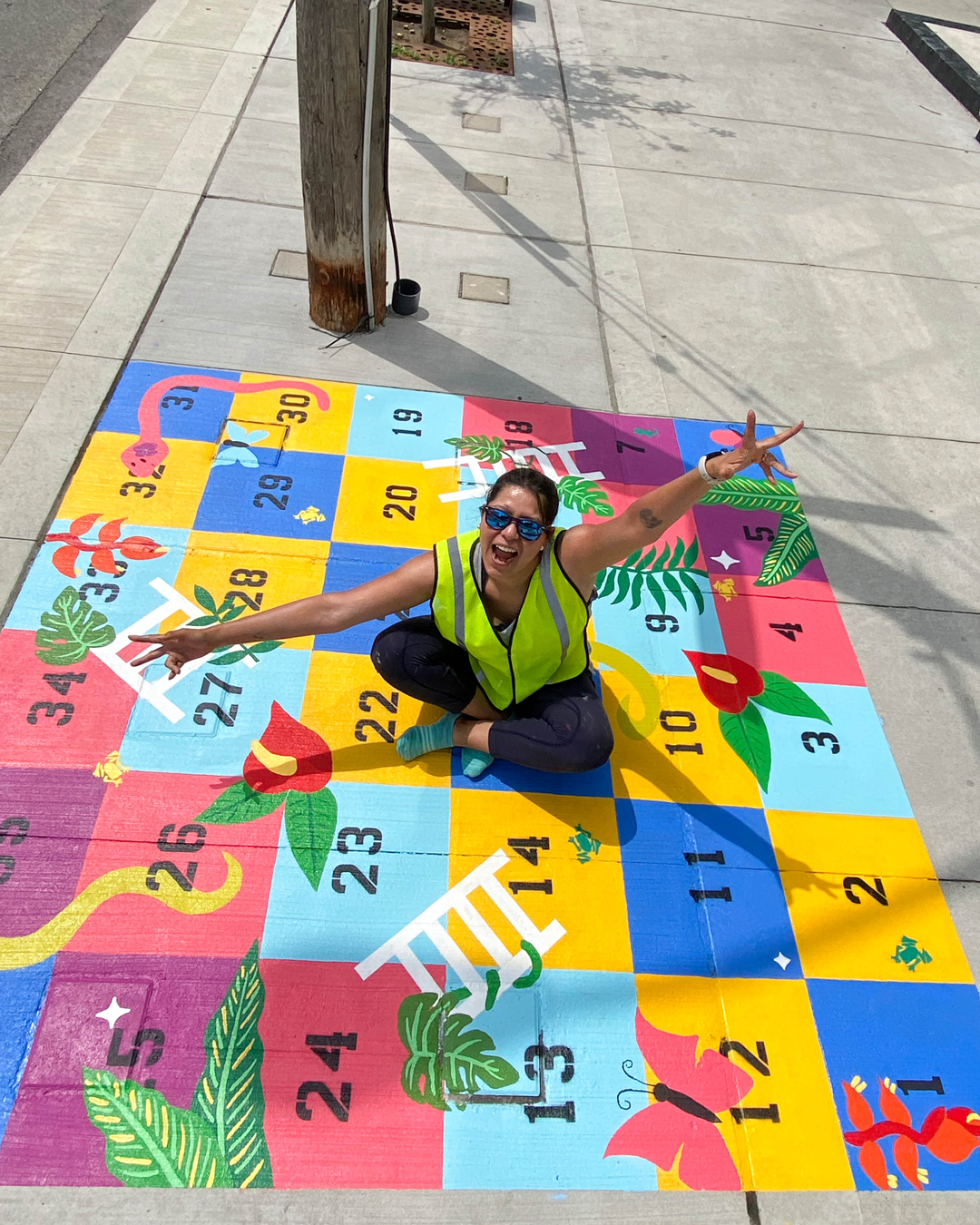
When people describe my murals, the first word they often use is colourful, followed by bright, bold, vibrant, and joyful. What is not always visible at first glance is that, in my work, colour is not just aesthetic. It is intentional, cultural, and, in many ways, political.
Colour as Resistance
Choosing colour can be a refusal to conform. In cities like Toronto, where concrete, glass, and long grey winters shape much of the visual landscape, colour interrupts neutrality. It softens hard edges. It introduces warmth where there was none.
For me, painting tropical greens, saturated pinks, deep blues, and layered gradients is not about decoration. It is about insisting that vibrancy belongs here, too.
Colour and Cultural Memory
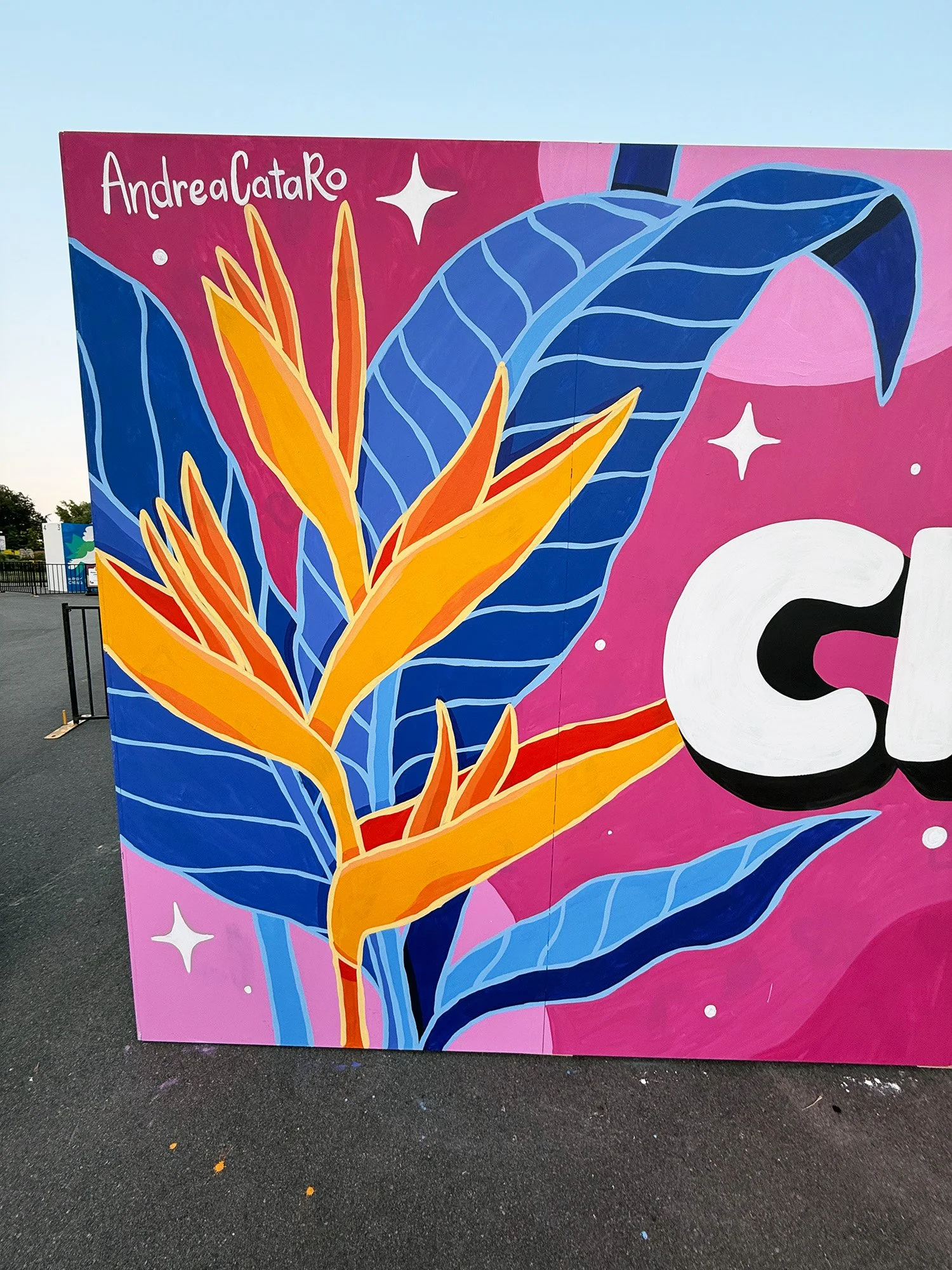
I grew up surrounded by dense greenery, layered textures, and environments where colour was part of daily life. Markets, fabrics, murals, festivals, landscapes. Colour carries collective memories.
When I paint murals in Toronto inspired by Colombian and Latin American visual language, I am not importing an aesthetic trend. I am translating memories into public space. I have written more about what my Colombian roots bring to my work as a Toronto mural artist and how that identity shapes my visual language.
That translation is political because it resists erasure.
Joy as Resistance
There is a narrative that serious art must be dark to be meaningful. If you want to address exploitation, inequality, or environmental urgency, your work should reflect that heaviness visually.
I have been asked why my plants are so happy and why my palettes are so bright, especially when I speak about land, rainforests, and environmental harm. The answer is simple: joy does not cancel awareness.
For many of us in the diaspora, colour and celebration coexist with histories of colonization, displacement, and injustice. Both realities are true at the same time.
Choosing joy can be a form of resistance, one that makes people uncomfortable.
Colour in Public Space
Public art in Toronto shapes how neighbourhoods feel. I have also explored why culturally rooted public art matters in Toronto. A wall can reinforce monotony or create energy. When colour appears unapologetically in public space, it expands what is considered normal. It signals that different cultural references belong on the same streets.
That shift may seem subtle, but it accumulates.
Why This Matters for My Work as a Toronto Mural Artist
As a mural artist working in Toronto, I think about how colour functions beyond aesthetics. It becomes part of the city's evolving visual language. If you are considering commissioning a mural and want to understand the cost, I have written a blog post on mural pricing.
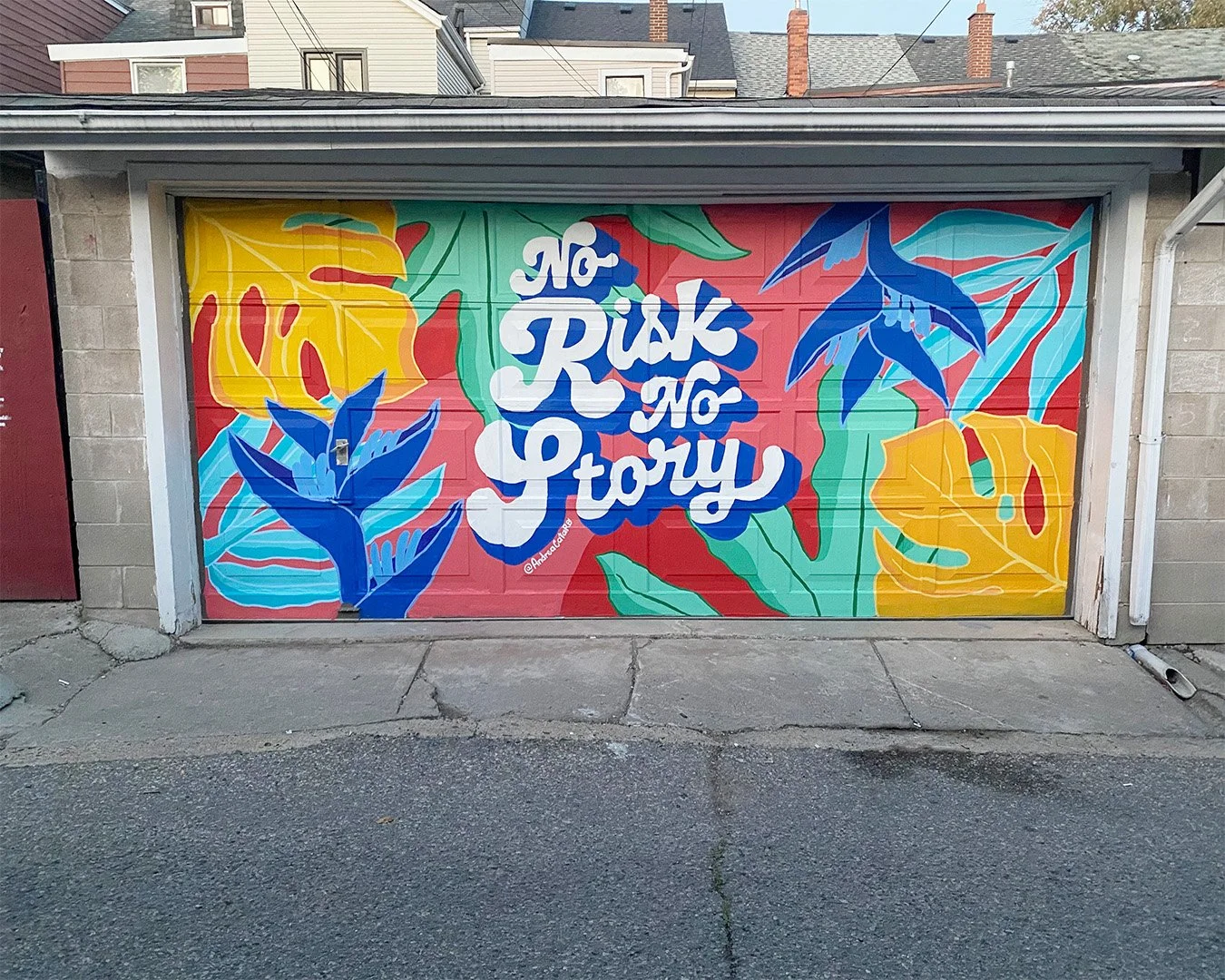
Every saturated leaf, every bold composition is part of a larger conversation about visibility and belonging.
Colour, in my work, is not neutral; it is memory, it is identity. It is a connection to my homeland, reminiscent of the colours I grew up with.
And sometimes, it is a quiet act of resistance.