

Brand-Focused Murals vs Community-Driven Public Art: What's the Difference?
Not all murals serve the same purpose. Some murals are designed primarily to amplify a brand while beautifying a space, while others are created to engage, reflect, and involve the communities around them; both have immense value.
However, understanding the difference between brand-focused murals and community-driven public art can help clarify the impact you want your project to have. If you are curious about what the overall mural process looks like in Toronto, I have written more about that here.
What Is a Brand-Focused Mural?
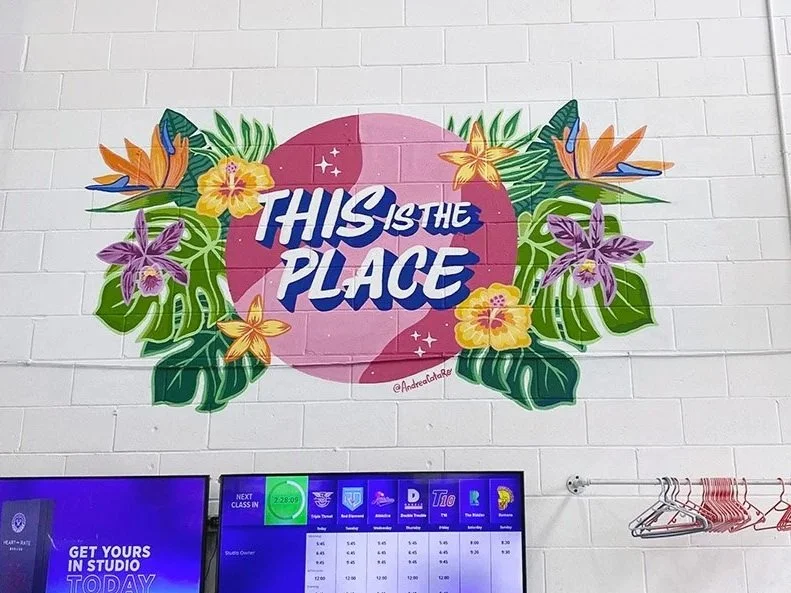
A brand-focused mural focuses primarily on visual transformation. It enhances a wall, complements branding, or adds vibrancy to a space. Aesthetic goals often drive these projects and can be highly effective in retail environments, cafés, offices, and interior spaces.
The process is typically streamlined. The client shares a vision or theme; the artist develops a concept; revisions are made; and the mural is executed. The primary goal is visual impact. There is nothing inherently lesser about brand-focused work. It simply serves a different purpose, one rooted in clarity, alignment, and visual impact.
What Is Community Driven Public Art?
Community-driven public art goes beyond aesthetics. It involves listening, dialogue, and intentional engagement with the people who live, work, or gather in the space. These projects often include research, workshops, collaborative elements, or consultation before the design phase begins. The final artwork becomes a reflection of shared narratives rather than a singular visual statement.
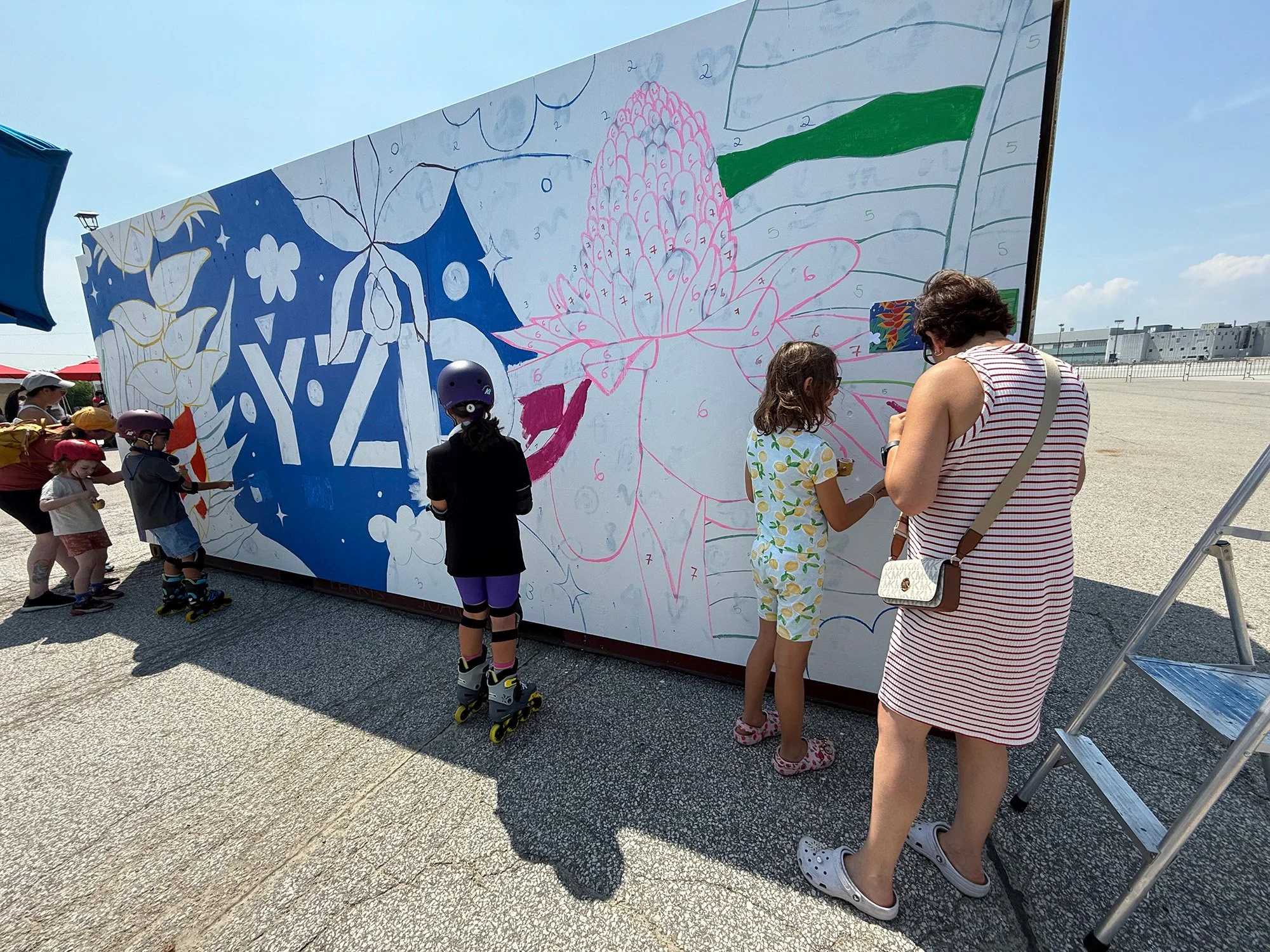
In a city like Toronto, where neighbourhoods are layered with stories of migration and cultural identities, this approach can create deeper resonance.
Process Is the Key Difference
The biggest distinction between brand-focused murals and community-driven public art lies in process. Brand-focused murals prioritize design execution. Community-driven projects prioritize relationship building alongside design. Both require skill and professionalism, but community-informed work demands additional time, care, and sensitivity.
When to Choose Each Approach
If your goal is to transform a space visually and align with a brand or interior concept, a brand-focused mural may be the right choice. If your goal is to foster belonging, reflect neighbourhood identity, or create shared ownership of a public space, a community-driven approach is often more appropriate. Clarity about your goals will guide the right decision. If you are still unsure what to look for in a mural artist, I have also shared a guide on choosing the right mural artist for your Toronto project.
Why This Distinction Matters in Toronto
Toronto's public spaces are not neutral backdrops. They are living environments shaped by diverse communities. When murals enter those spaces, they contribute to the city's visual language. I have explored this idea further in my writing on why culturally rooted public art matters in Toronto.
Understanding whether a project is brand-focused or community-informed allows artists, organizations, and city partners to align expectations and impact.
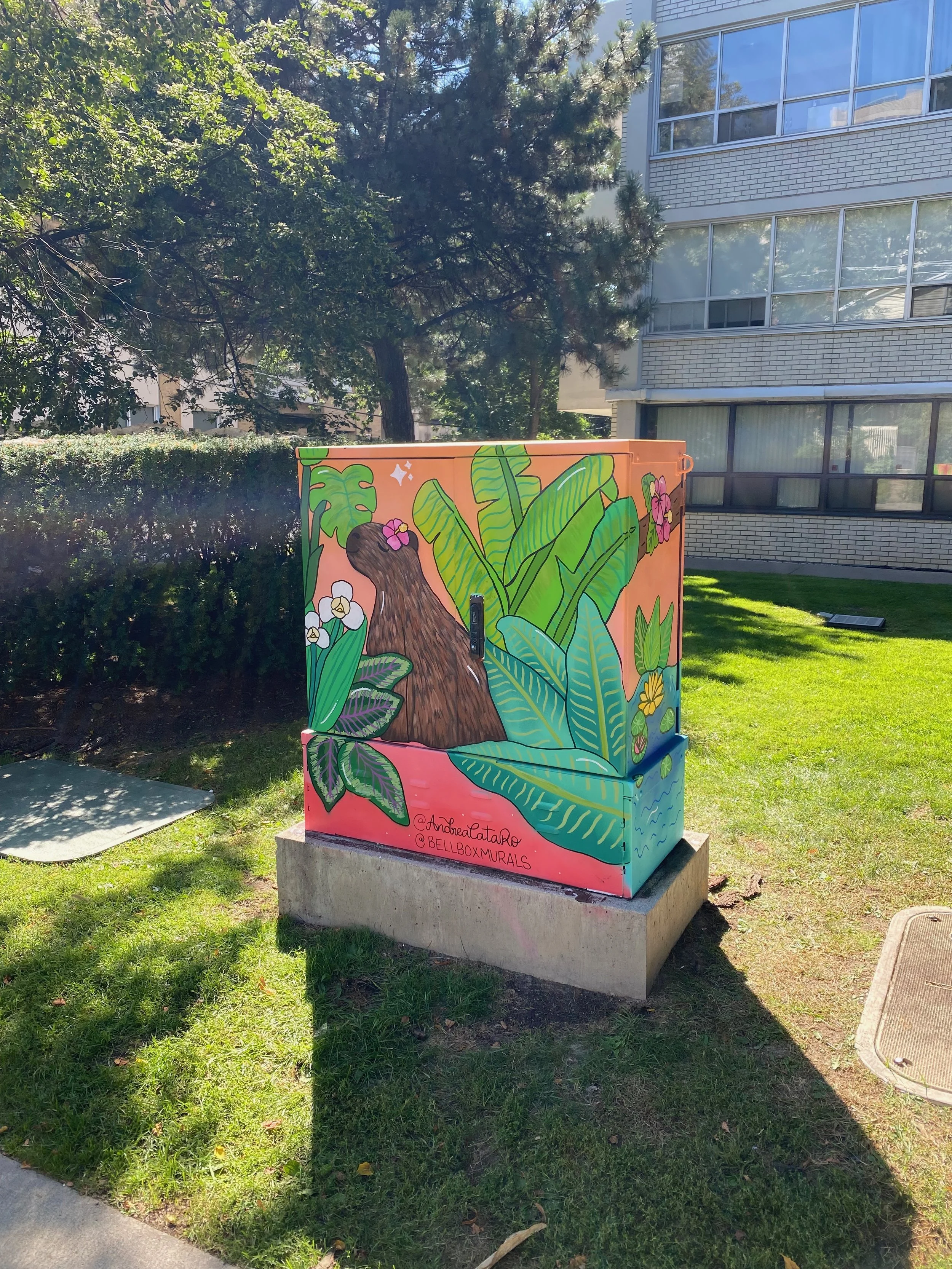
As a mural artist working in Toronto, I move between the two approaches depending on the project's needs. The key is intentionality. Public art should not only fill walls. It should respond to context.