

What Makes a Good Mural Wall?

When people reach out about a mural, they often already have a wall in mind. It might be a big exterior wall, a café corner, a hallway, a daycare room, an office entrance, a storefront, a garage door, or simply a wall that has been sitting there looking a little too empty for too long.
However, not every wall is automatically ready for a mural. A good mural wall is not only about size. It is also about visibility, surface condition, access, lighting, and how people will experience the artwork once it is finished.
If you are thinking about a custom mural for your business, public space, school, community project, or home, here are the key considerations.
Visibility matters
The first thing I look at is how the wall lives in the space. Is it visible when people walk in? Can it be seen from the street? Is it in a place where people naturally pause, gather, take photos, or move through every day?
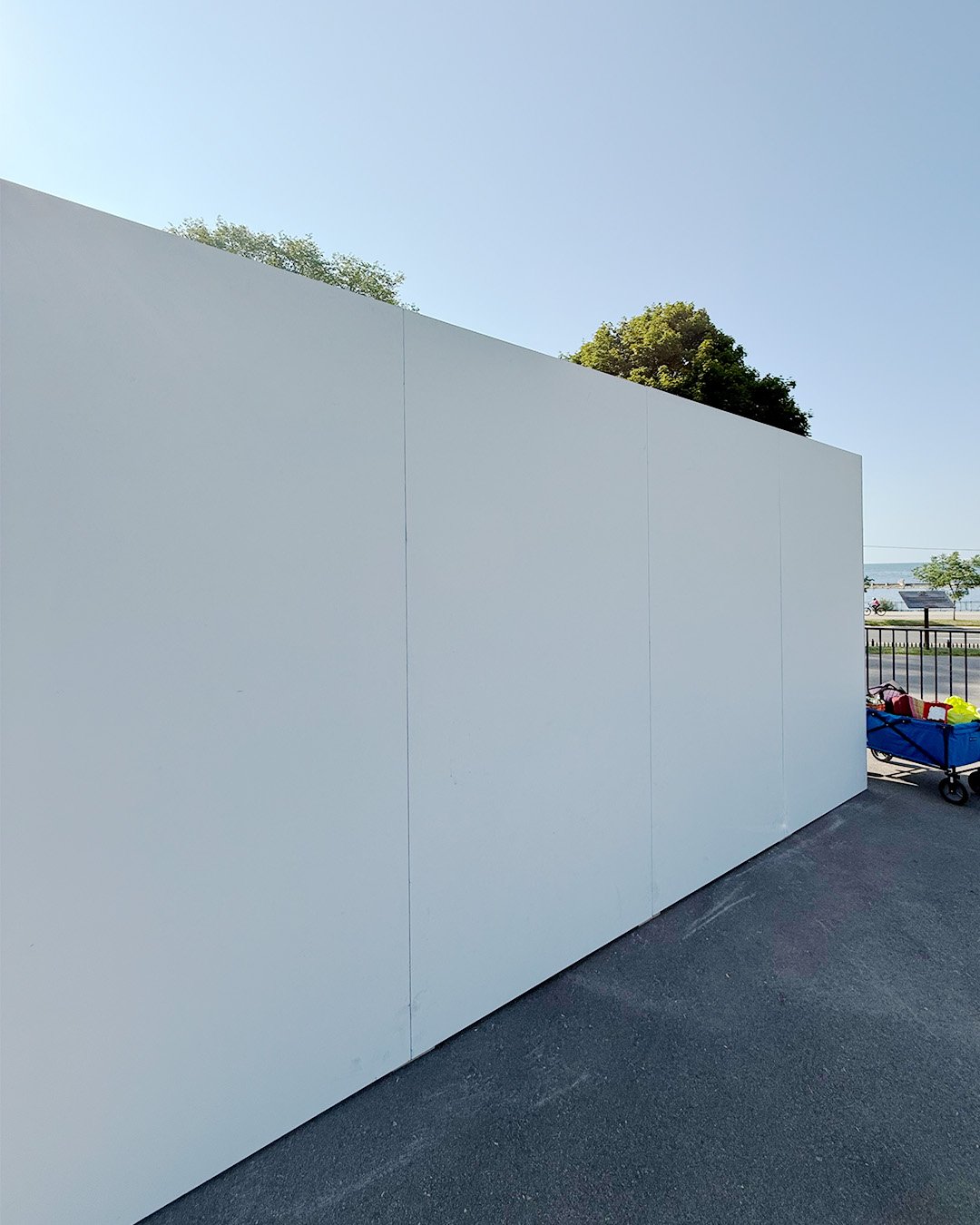
A mural does not always need to be on the biggest wall to be effective. Sometimes, a smaller wall in the right location can have more impact than a huge wall no one really sees.
For businesses, this matters a lot. A mural can become part of the customer experience, but only if people can actually experience it.
The wall condition matters too
A smooth, clean wall is usually easier to paint and can allow for sharper details, clean lettering, and more polished shapes. Textured walls can also work beautifully, but they may change how much detail is possible.

Brick, concrete, drywall, metal, wood, and stucco all behave differently. Some surfaces need cleaning, primer, repairs, or special materials before the mural can happen.
This does not mean your wall has to be perfect. Murals are adaptable. It just means the wall needs to be assessed before the project starts.
Access can change the project
A very important question is: can I safely reach the whole wall?
For smaller indoor murals, access may be simple. A ladder or small scaffold might be enough. For taller walls, outdoor walls, or multi-storey projects, the project may require scaffolding, a scissor lift, or a boom lift.
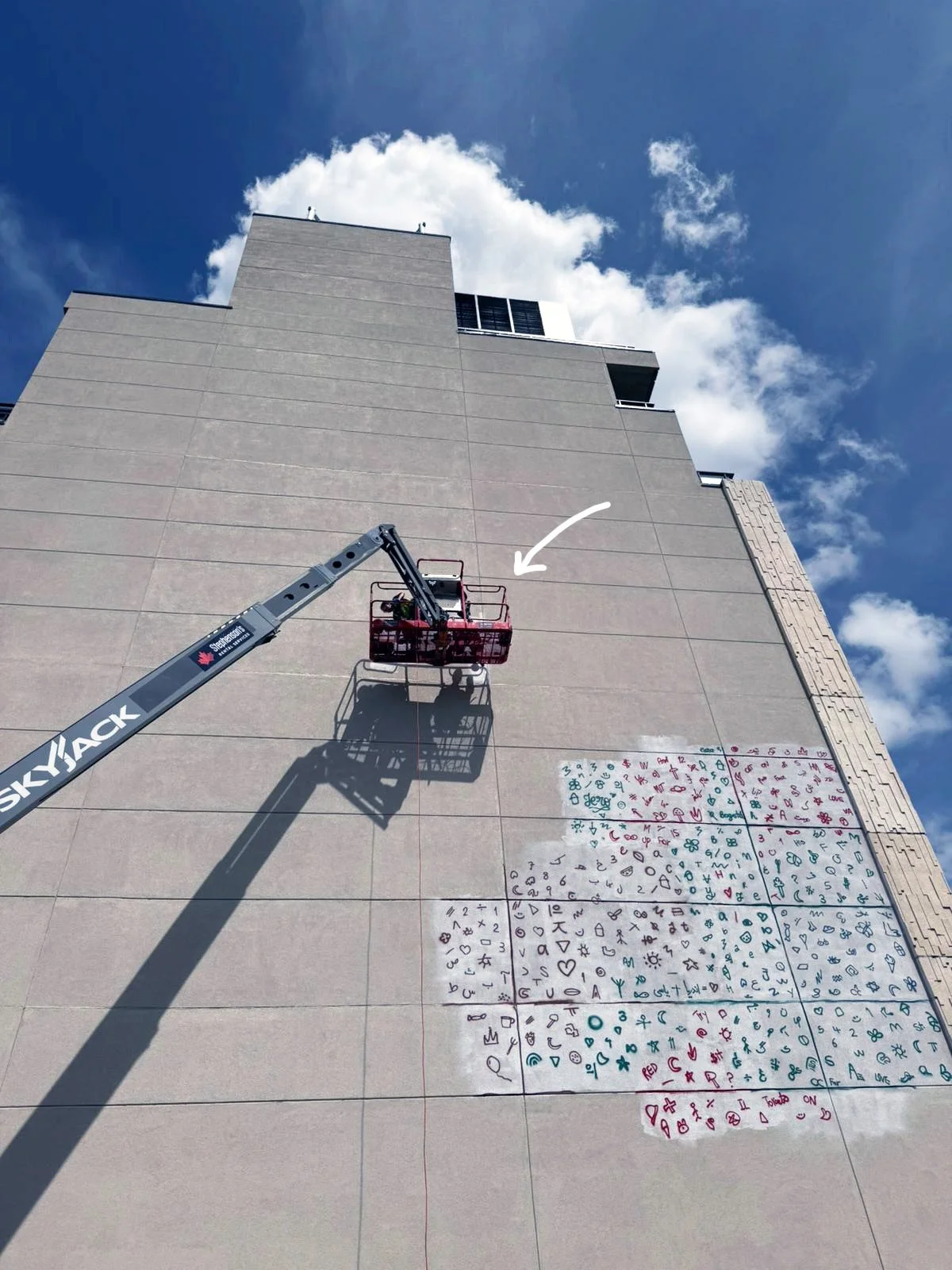
This can affect the budget and timeline because equipment needs to be booked, delivered, and used safely.
Wall photos are very helpful at the beginning of a project. Even a quick photo from far away and a closer detail shot can help me understand what kind of access might be needed.
Lighting changes everything
Lighting can completely change the way a mural feels. A bright wall may make colours pop, while a darker wall might need a bolder palette or a simpler design so the artwork still reads clearly.
It also helps to ask, “What do you want the mural to do?”
Do you want it to welcome people into your space? Create a photo moment? Add colour to a plain area? Tell a community story? Strengthen your brand? Make a school or daycare feel warmer? Turn an exterior wall into something people notice from the street?
The answer can change. Which wall makes the most sense? A mural is not just a surface treatment. It is part of the experience.

Outdoor walls need extra planning.
Outdoor murals can be incredible, but Toronto's weather is not exactly gentle. Before painting outside, we need to consider rain, snow, direct sunlight, wind, peeling paint, moisture, surface damage, and whether the mural needs extra protection.
Exterior murals also need to be painted during warmer months because paint and coatings have temperature requirements.
The artwork still needs to be beautiful, but it also needs to survive real life.
You do not need to know everything before reaching out.
If you are not sure whether your wall is a good fit, that is completely okay. You do not need to have the whole project figured out before starting the conversation.
A few photos, rough measurements, location details, and your general goal for the mural are enough to begin.
From there, we can talk about what is possible, what might need adjusting, and what kind of mural would make the most sense for the space.
A good mural starts with a wall, yes, but it also starts with curiosity: what could this space become?
Thinking about a mural?
If you have a wall in mind for a mural in Toronto, send a few photos, measurements, and details about your space. I can help you figure out whether the wall is a good fit and what kind of mural could bring it to life.
Related reading
Planning a Mural for Your Space? Read This First
A good next step is to start thinking about a mural, and I want to understand what to prepare before reaching out.
What It’s Really Like to Commission a Mural in Toronto
Perfect for someone with a wall in mind who wants to understand the full process.
What Clients Don’t See Behind a Mural Project
A strong companion post because this wall article covers the visible space, while this one explains the behind-the-scenes planning.