

The Story of Art Without Men: Why Every Creative Should Read This Book
I picked up The Story of Art Without Men expecting a good read; and instead, I got a creative awakening.
Katy Hessel’s book is more than just a retelling of art history. It’s a powerful reframing that places women, who have always been present, just often erased, back into the timeline where they belong. If you’re a creative of any kind, this book will probably shift the way you see your work, your influences, and the systems you’ve inherited.
Why This Book Matters, IMO.
As an artist and designer, I’m constantly inspired by stories: The stories of people, of movements, of resistance, of joy. But reading this book reminded me just how many of those stories we haven’t been told, simply because they weren’t documented, collected, or deemed worthy by traditional (in other words: patriarchal) art institutions.
You see, there’s a question Hessel asks early on in the book: Can you name five women artists from the art history canon off the top of your head? Yes, I could name five—Frida Kahlo, Cindy Sherman, Barbara Kruger, Sheila Hicks, and Emily Carr. But, and I can’t stress this enough, it took me a minute. That question didn’t just linger—it landed, and it quietly exposed how narrow the “canon” really is.
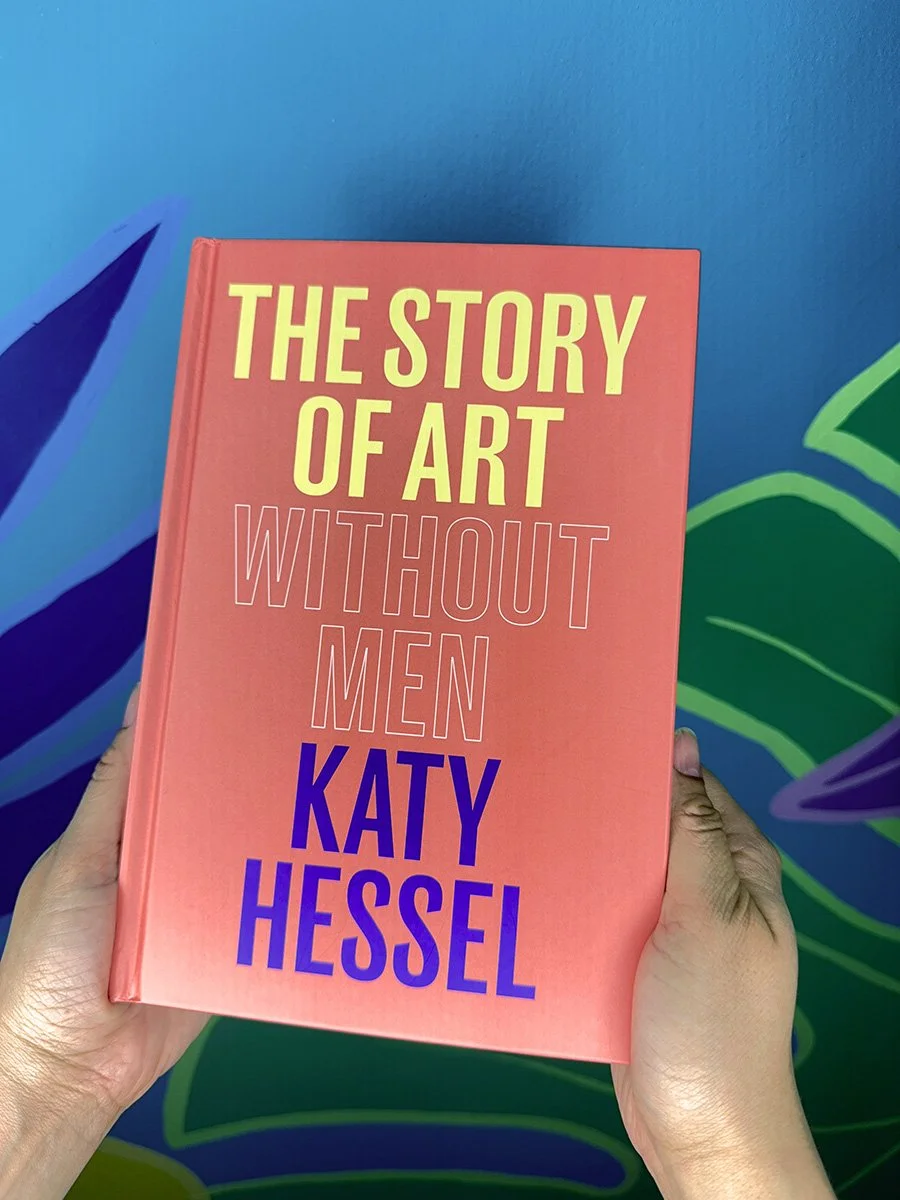
I’ve always considered myself someone who loves art history. I’ve studied it, followed it, been shaped by it. But once again, I realized how my education had somewhat failed me. Latin American artists were barely mentioned (with a few notable exceptions). I had to take a specialized elective just to learn about artists from my region. Why? Because they weren’t part of the Eurocentric and North American version of art history I was taught. This book fills in the gaps we’ve all inherited. It celebrates the overlooked, the radical, the game-changing women artists whose legacies deserve to be known.
What Stood Out To Me
The book is global, not Eurocentric. It spans continents, centuries, and mediums. This made me incredibly happy. As you know, as a proud Colombian-Canadian, I always felt that Latin American Art is often overlooked. Seeing the inclusion of artists beyond the usual European and North American lens felt like a small act of justice. (Although I think art movements in Latin America, Asia and Africa should have more than 3 chapters, but that is another story).
Hessel writes with clarity and passion. This is not dry academia. And that, I appreciate. It feels like she’s inviting you into the conversation, not lecturing from a podium. Making art accessible shouldn’t just be for the select few, and this book lives that idea.

You’ll meet artists you’ve probably never heard of and immediately want to Google every single one. There were even a few familiar names that made me smile, like María Berrío. Seeing artists from my cultural background included in this global lineup was affirming.
I love how it doesn’t just spotlight painters. Photographers, sculptors, textile artists, video artists… they’re all here. It’s a full spectrum of creativity. This book is accessible but deep, and filled with those “how did I not know this?” moments that stay with you long after you close the last page.
What I learned
Reading The Story of Art Without Men really got me thinking about how I was taught to see art—who we label as a “master,” what’s considered high art, and how often women are shown as muses instead of makers. It also brought back memories of the Guerrilla Girls’ iconic piece Do Women Have to Be Naked to Get Into the Met Museum?—which, fun fact, used to be on a keychain I carried around for over 10 years. One day it disappeared, and I like to imagine it moved on to better places instead of being lost in some forgotten corner. If you ever spot it... Let me know. 😅
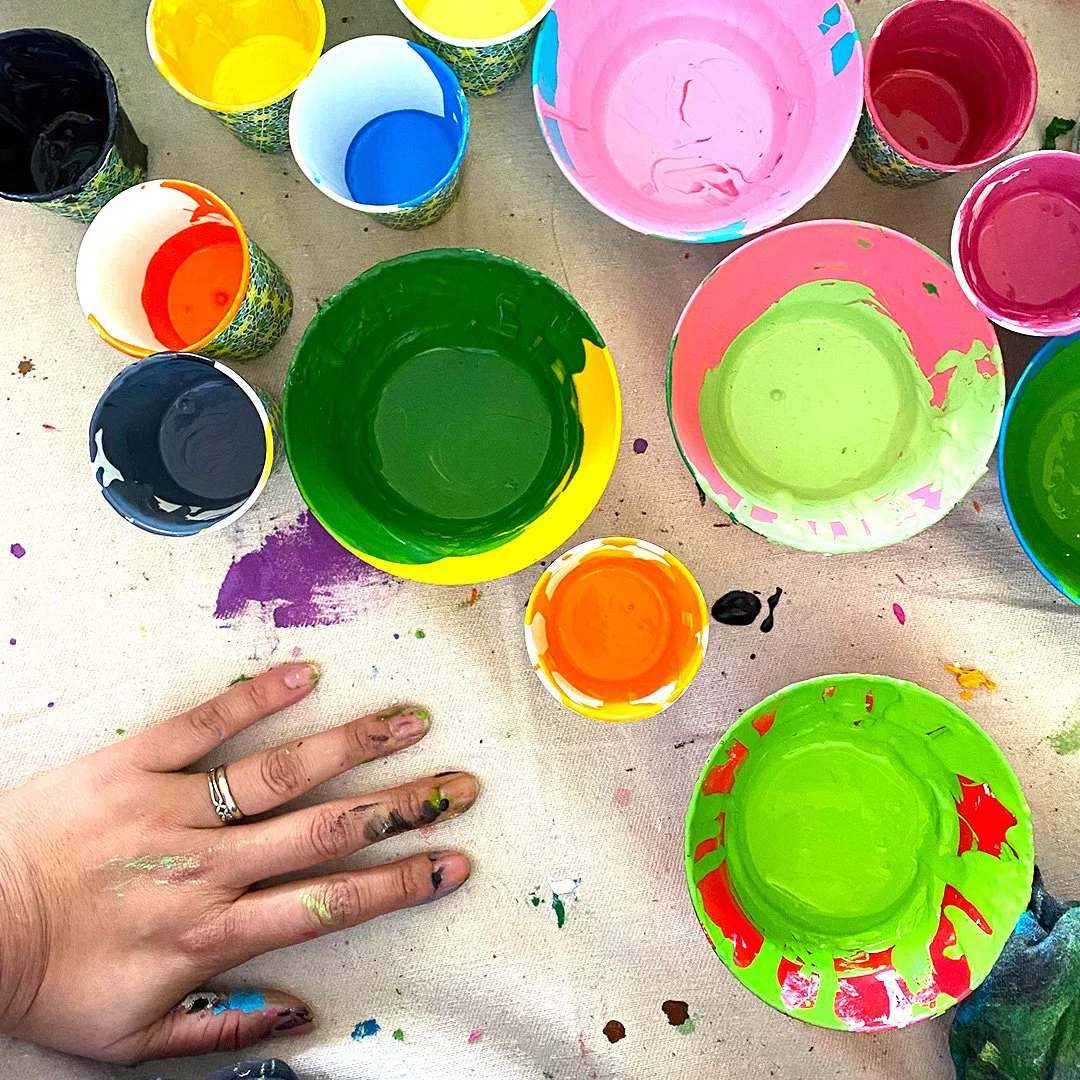
This book stirred something in me. It made me want to teach differently, paint with more intention, and speak up more about who gets seen and celebrated in the art world.
Final Thoughts
This book isn’t just for women. It’s for anyone who cares about art, history, and creativity. It’s for muralists, illustrators, gallery-goers, and art lovers of all kinds.
If you’ve ever felt unseen in your field, or if you want to better understand the forces that shape creative spaces, read this book.
📚 Have you read The Story of Art Without Men? I’d love to hear your thoughts.
🎨 Want more reads like this? Subscribe to Paint & Pixels, where I share creative finds, tutorials, behind-the-scenes, and personal reflections.