
What I've Learned Teaching Workshops
Every workshop I run costs me more than the calendar makes it look like. Planning, materials, logistics, the actual energy of standing in front of a room and making sure everyone leaves feeling like they made something worth making. So why do I keep saying yes?
Because the lessons I have picked up along the way have made me a better artist, not just a better teacher, and that trade has been worth it every single time.
People Arrive More Nervous Than They Let On
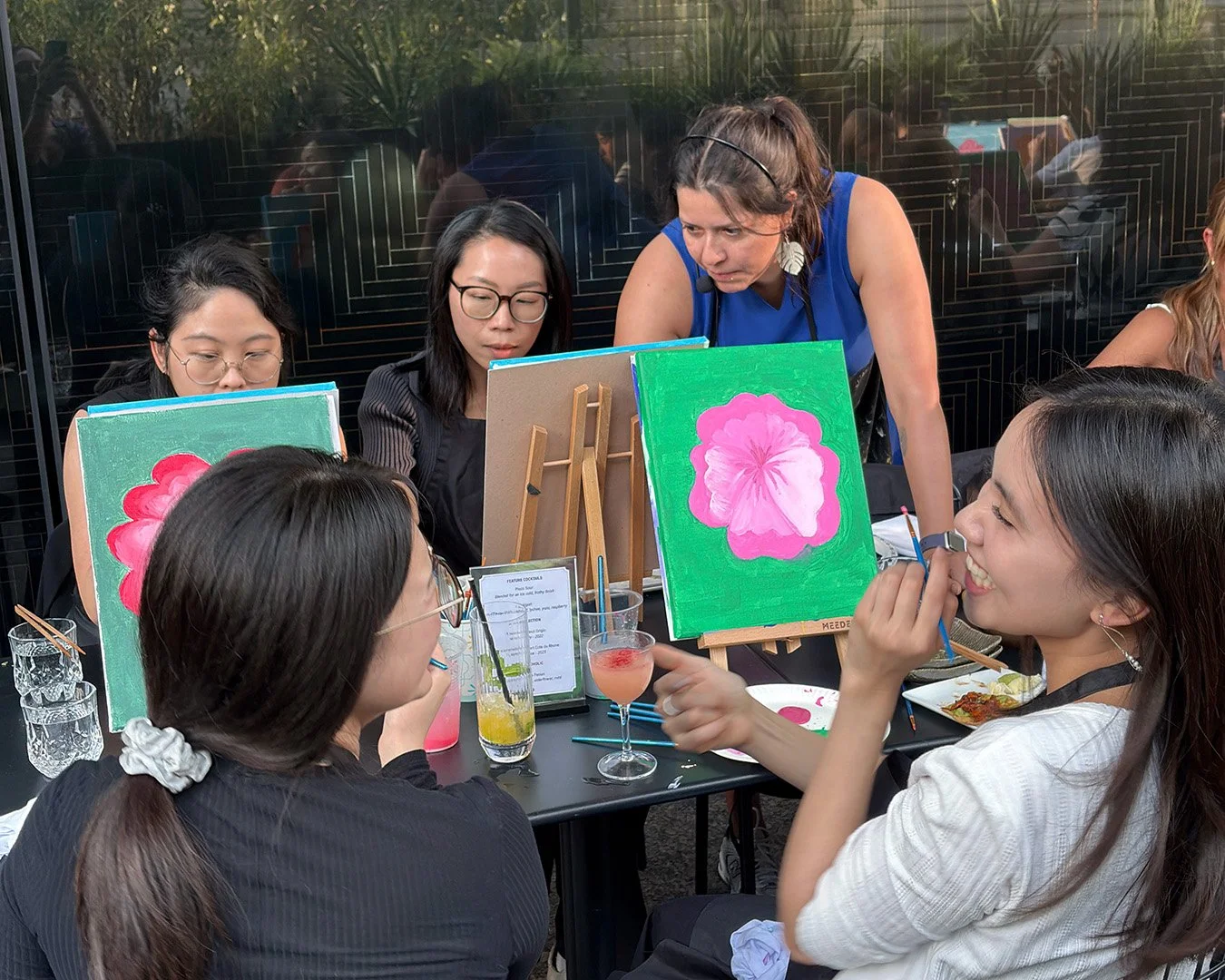
Almost everyone who walks into one of my workshops is quietly worried they are going to be bad at this. Even people who signed up excited still carry some version of that nervousness in the first ten minutes. I have learned to plan for that nervousness directly instead of hoping it disappears on its own, which is a big part of how I think about preparing participants before a session even starts. A little reassurance early on changes the entire energy of a room for the rest of the day.
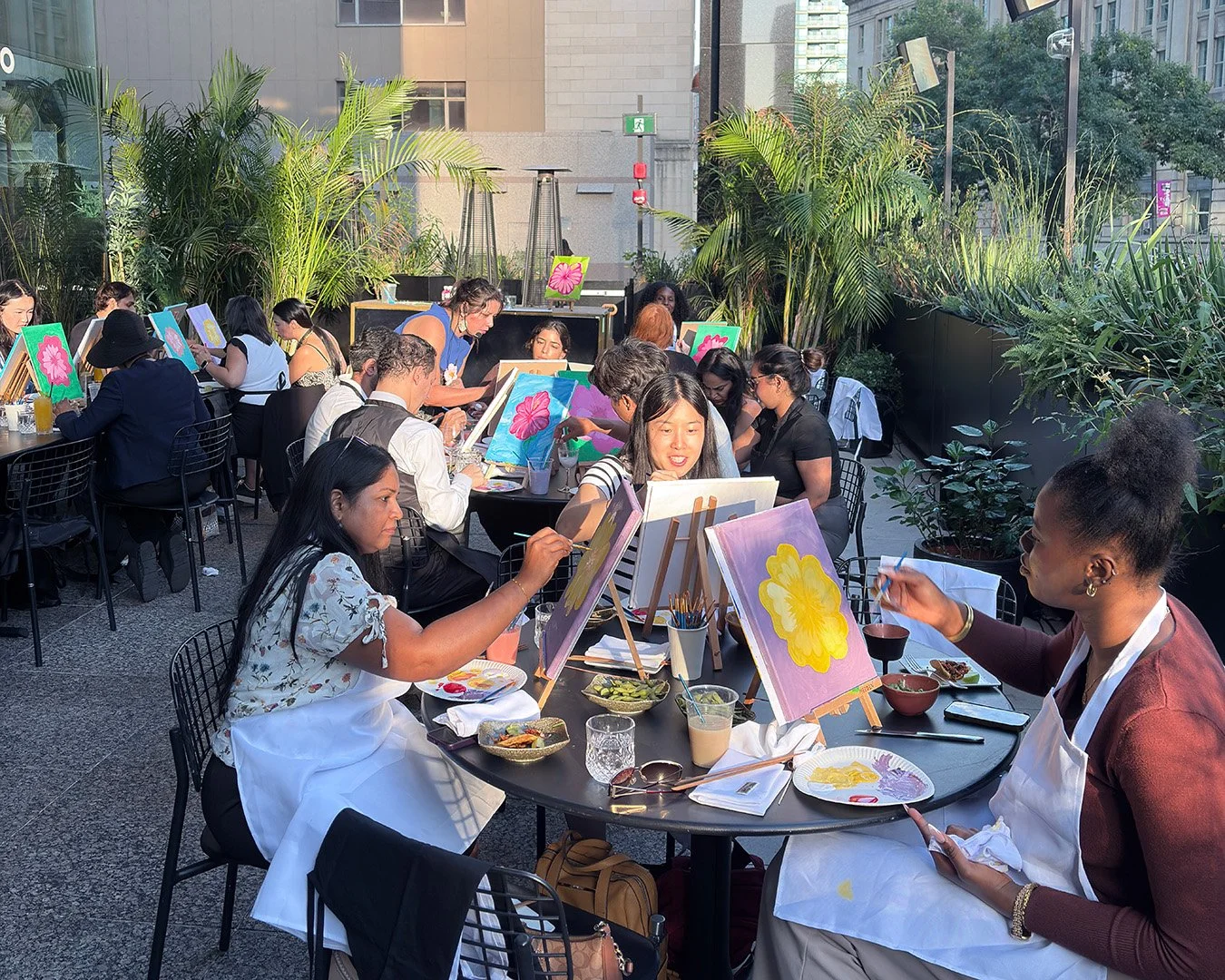
Workshop by AndreaCataRo
Everyone Moves at a Different Pace, and That's Fine
Early on, I used to plan workshops around a single shared timeline, as if everyone would finish each step together. They never do, and trying to force that pace just adds stress that has nothing to do with the actual creative work. Now I build in room for people to move faster or slower without feeling behind. A workshop that respects different paces produces better work than one that rushes everyone toward the same finish line.
The Emotional Payoff Is the Real Reason I Keep Going
Sessions like Lettering Our Stories with Creato taught me something I did not fully expect: technical skill-building and emotional connection are not separate goals. They reinforce each other. People learn faster and retain more when the exercise means something to them personally, and that has changed how I design nearly every workshop I run now, not just the culturally specific ones.

Workshop participants working on projects at their own pace
Community projects add a different kind of payoff. Watching kids and first-time painters contribute confidently to a shared piece, the way they did at the portable mural with Lakeshore Arts, reminds me why this work matters beyond any single finished piece. That feeling does not show up on an invoice, but it is a real part of why I keep saying yes to workshops even when the logistics are a headache.
Why I Still Say Yes
I have said this before, and I believe it more with every session: creative workshops are about connection and confidence as much as they are about technique. Every workshop teaches me something new about how people learn, how nervousness shows up, and how much a room can open up once people stop worrying about doing it right. That is worth the extra planning every time.
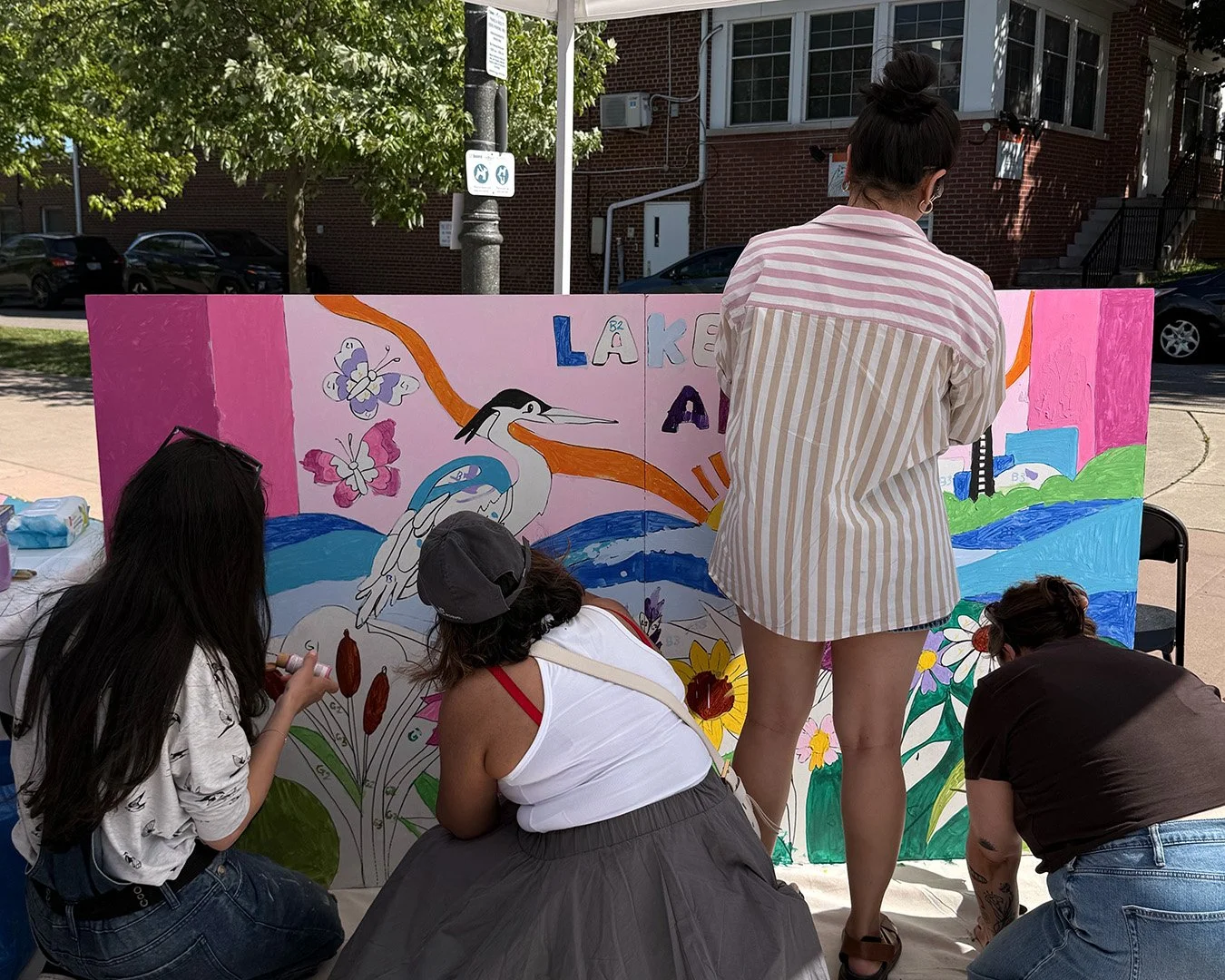
Workshop participants painting together at a Community-engaged mural, close-up
If you want to see what actually makes a workshop click for the people in the room, that post breaks down what I look for when I design a session. And if you would like to bring a workshop to your team, school, or community, let's talk or take a look at upcoming sessions.
Thanks for reading!